
Everyday driving exposes you to more sunlight than you might realize, and much of that sunlight includes harmful ultraviolet radiation. Even with your windows closed, UV rays can slip through standard automotive glass and affect both your skin and your vehicle’s interior. This is why many drivers are turning to auto window tinting as a dependable layer of protection. When you combine this technology with a reputable name like LINE-X AUTO SPA, daily commutes instantly become safer and more comfortable.
In many cases, drivers don’t notice the gradual damage caused by UV exposure until it has already built up over months or years. The right tinting solution prevents this by blocking the majority of harmful rays before they enter your cabin. We offer advanced tinting options, drivers gain both peace of mind and long-term protection through a simple upgrade.
Understanding UV Exposure Inside Modern Vehicles
How UV Rays Enter Through Untreated Glass
Many drivers assume their windows already block harmful sunlight, but side windows typically stop only a portion of UV radiation. This allows UVA rays to pass through and reach the interior of your vehicle. Over time, these rays cause skin damage and gradually break down materials inside your cabin. Without protective tinting, the glass essentially acts as a transparent doorway for sunlight, allowing exposure during every drive.
Why Daily Driving Increases Long-Term Exposure
Even short drives contribute to UV accumulation. Morning commutes, school pickups, and everyday errands place you in direct sunlight for extended periods. Because these exposures happen repeatedly, they create long-term effects similar to spending hours outdoors without sunscreen. Window Tinting becomes essential for reducing these repeated, unnoticed ultraviolet sessions inside your car.
The Science Behind Window Tinting and UV Rejection
How Tint Films Block Harmful Ultraviolet Rays
Modern tint films use advanced materials designed to absorb or reflect ultraviolet energy before it penetrates your windows. These films include microscopic layers that interact with sunlight, filtering out damaging wavelengths and preventing them from entering the cabin. This scientific approach ensures that your vehicle stays safer while your skin and interior remain protected during everyday use.
Types of UV Radiation and How Tinting Addresses Them
There are two main forms of ultraviolet radiation: UVA and UVB. UVB rays are associated with surface-level skin effects, while UVA rays penetrate deeper and cause long-term aging and damage. High-quality tinting solutions filter out both types, significantly lowering your exposure during routine driving. This makes Window Tinting Shop technology an essential upgrade for anyone who frequently travels in sunny environments.
Key Tinting Features That Prevent Interior Fading
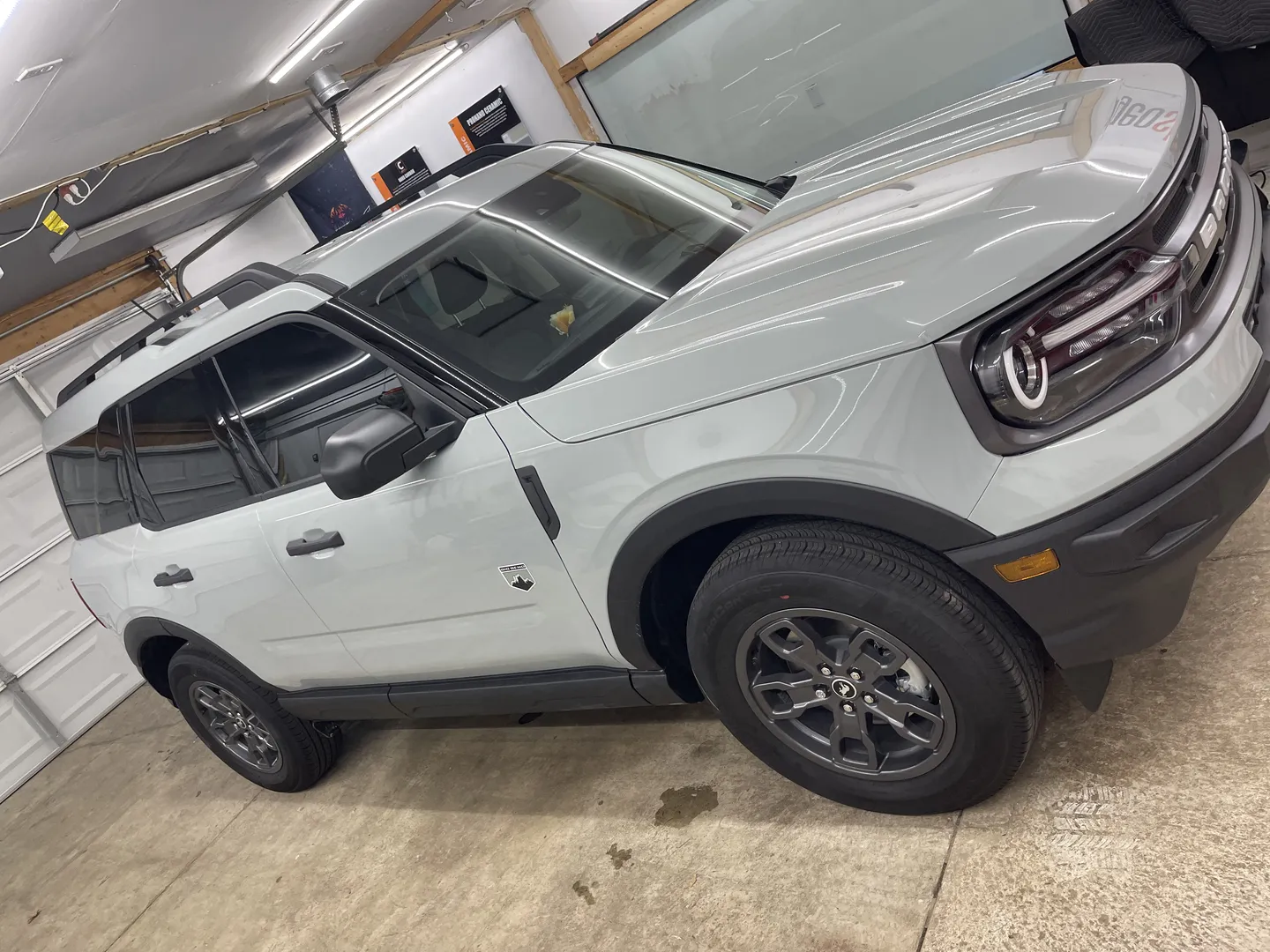
Preserving Upholstery, Dashboard, and Vehicle Trim
Constant sunlight causes fading, warping, and drying of interior materials. Leather seats, dashboard materials, and plastic trims all deteriorate when exposed to UV rays over time. Window tinting slows this process dramatically, keeping your interior looking newer for longer. By reducing direct radiation, the tint creates a cooler, more stable environment inside your vehicle.
How Tinting Protects Sensitive Surfaces During Hot Months
Hot climates intensify UV damage. Sunlight not only raises cabin temperatures but also accelerates chemical breakdown in upholstery layers. Tinting reduces this heat buildup and blocks UV rays simultaneously. This combined protection helps ensure your interior stays intact through every season, even during peak summer conditions.
Tinting Benefits for Drivers With Sensitive Skin
Reducing Skin Irritation for Long Commutes
Drivers with sensitive skin or conditions like sun allergies benefit greatly from UV-blocking films. These films create a shield that prevents rays from reaching exposed skin while driving. This helps minimize redness, discomfort, and long-term effects associated with routine sunlight exposure.
Why Consistent UV Protection Matters Year-Round
UV radiation is present even during cloudy or cold days. This means consistent protection is necessary regardless of the season. Applying car window tinting once ensures daily defense without requiring constant adjustment, unlike sunscreen that fades throughout the day.
Comparing Film Types for Maximum UV Protection
Dyed, Metalized, Ceramic, and Carbon Options
Each tinting film type offers different levels of UV protection. Dyed films provide basic defense, while metalized and carbon films improve clarity and heat rejection. Ceramic films, however, often deliver the highest UV filtering capabilities and maintain visibility without interfering with electronic signals. They are popular among drivers who value both performance and comfort.
Which One Performs Best in Real Driving Conditions
Ceramic tint films tend to deliver the best performance in real-world driving. They handle heat, glare, and UV radiation more efficiently than other types, making them ideal for everyday travel. Many professionals at an auto window tint shop recommend ceramic tints for long-term reliability and consistent comfort.
How Professional Installation Increases UV Defense
The Role of Quality Application and Film Durability
Proper installation affects how well your tint blocks UV radiation. Even high-quality films require precise application to perform correctly. Professionals understand film alignment, adhesive curing, and long-term durability factors better than DIY methods. This ensures your tint remains effective across years of driving.
Why Technique Matters More Than Tint Shade
Darker doesn’t always mean better protection. UV filtering depends on film technology, not simply tint darkness. Premium installation services like those offered by LINE-X AUTO SPA ensure you receive the right combination of clarity, performance, and protection for daily driving.
Everyday Situations Where UV Protection Makes the Biggest Difference
City Driving, Highway Trips, and Traffic Delays
Sitting in traffic exposes you to sunlight for long periods, even when your vehicle isn’t moving. Window tinting guards you during these high-exposure moments and keeps your interior cooler while you wait. Long highway drives also amplify UV exposure, making tinting even more valuable.
The Added Benefit of Lower Cabin Temperatures
UV-blocking tints reduce heat buildup, making your vehicle more comfortable. This lowers your reliance on air conditioning and keeps cabin conditions pleasant during intense sunlight. Reduced heat also helps preserve internal electronics and delicate surfaces.
Conclusion
Window tinting is one of the most effective upgrades for reducing UV exposure during everyday driving. It protects your health, preserves your interior, and improves long-term comfort without requiring ongoing maintenance. With reliable installation options available from LINE-X AUTO SPA, drivers can enjoy daily protection that makes every journey safer, cooler, and more comfortable.
FAQs
Does window tinting block all UV rays while driving?
Most high-quality films block up to 99 percent of harmful ultraviolet rays, offering strong protection during everyday driving.
Can tinting help prevent skin damage over time?
Yes, tinting reduces UVA and UVB exposure, lowering the risk of skin irritation and long-term damage caused by sunlight.
Will tinting protect leather seats from fading?
Tinting helps preserve leather, fabric, and dashboard materials by minimizing exposure to intense sunlight that causes fading and cracking.
Is ceramic tint the best option for UV protection?
Ceramic films often offer the highest UV rejection while maintaining excellent clarity and comfort in real driving conditions.
Does window tinting help in winter months too?
Absolutely. UV rays remain present throughout the year, and tinting protects against them regardless of temperature or season.
