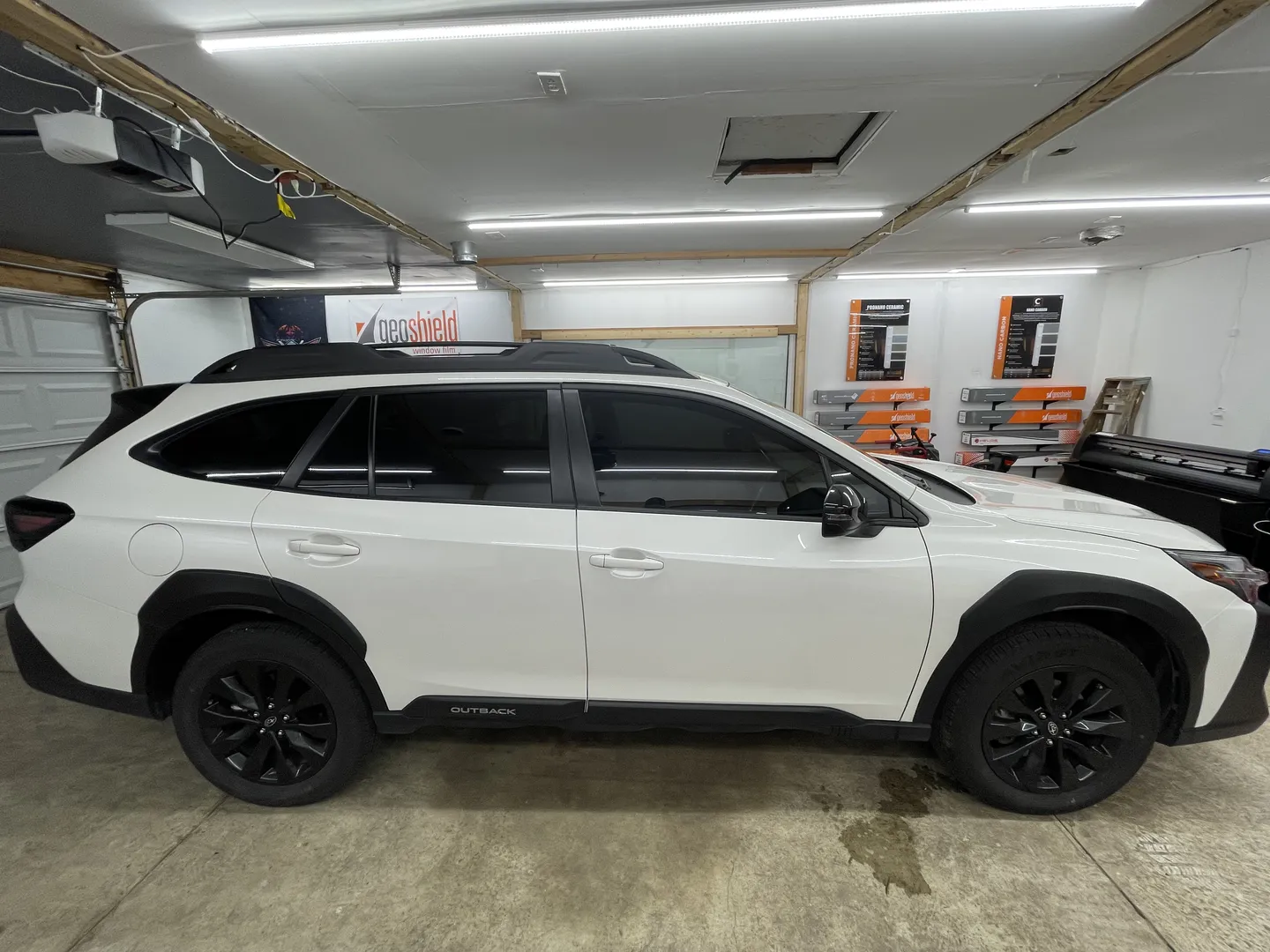
Michigan winters are known for their long, frosty days and unpredictable weather conditions. Between freezing temperatures, snow glare, and heavy cloud cover, maintaining warmth and comfort can be a constant struggle. Most residents depend on heaters to battle the cold, but few realize how window tinting can also make a major difference in thermal comfort and visibility during winter months.
Professional tinting helps regulate indoor and in-car temperatures by retaining heat, minimizing glare from snow, and preventing UV damage. Beyond improving comfort, it also contributes to energy efficiency and environmental sustainability. When performed by trusted professionals like TintedAF, Window Tinting Services in Michigan can transform the way residents experience winter comfort and safety.
Understanding How Tinting Works in Winter
Thermal Barrier Effect
Window tinting functions as a thermal barrier that reduces heat transfer through glass. During cold months, this means less warmth escapes from the inside, keeping spaces naturally cozier. The tint film works similarly to insulation by trapping indoor heat while allowing light to pass through. Over time, this reduces the need to constantly adjust heating systems. The controlled environment it creates helps maintain comfort without excessive energy use.
Infrared Heat Reflection
Tint films are designed with advanced infrared-reflective technology that keeps radiant heat inside the vehicle or building. By bouncing heat energy back into the space, they minimize temperature fluctuations that cause discomfort. This ensures interiors remain warm even when outside temperatures plummet. The reflection mechanism of these films creates a stable and comfortable atmosphere ideal for Michigan’s cold season. It’s an efficient solution that blends performance and comfort seamlessly.
Improving Comfort Through Heat Retention

Consistent Cabin Warmth
A major benefit of tinting in winter is maintaining consistent warmth inside the cabin. Untreated windows lose heat rapidly, making certain areas feel colder. Tint films prevent this imbalance by equalizing the temperature throughout the space. Whether you’re driving to work or sitting indoors, the comfort remains steady. It eliminates those annoying cold spots near windows that make winter days less enjoyable.
Reduced Energy Waste
Every time you crank up the heater, your vehicle or HVAC system uses more energy. Tinting limits the amount of heat that escapes, allowing you to maintain desired temperatures with less effort. This reduces energy waste and lowers overall costs on heating bills. It’s an effective way to combine comfort with conservation. As Michigan winters grow harsher, every bit of saved energy helps make living conditions more efficient and sustainable.
Managing Snow Glare and Light Reflection
Glare Reduction Benefits
Michigan’s snow-covered roads reflect a tremendous amount of sunlight, creating harsh glare that strains the eyes. Window tinting filters this excessive brightness, allowing for softer, more natural lighting inside. Drivers benefit from reduced eye fatigue and better focus, while homeowners experience less visual discomfort near large windows. Balanced light transmission ensures clarity without darkening visibility, offering a safer and more comfortable winter environment overall.
Enhanced Visual Comfort
During winter, low sun angles combined with snow reflections can make even short drives challenging. Tint films moderate incoming light to minimize sudden glare bursts. This helps your eyes adjust smoothly to varying brightness levels. Whether it’s a morning commute or a snowy evening drive, tinted windows help maintain optical comfort. It’s an underrated advantage that improves safety and overall driving performance during cold months.
Energy Efficiency and Cost Benefits
Lower Heating Requirements
One of the practical benefits of tinting during winter is reducing the demand on heaters and furnaces. The insulation effect of window films means the heat you generate stays inside longer. This translates to shorter heater use and lower fuel or electricity costs. Over the season, this energy conservation adds up to noticeable savings. Tinting is therefore not just a comfort upgrade but also an economic advantage.
Sustainable Energy Control
Tinting works year-round by improving energy balance in every season. In winter, it traps warmth; in summer, it blocks excessive heat. This continuous regulation helps maintain a consistent indoor climate with less reliance on mechanical systems. The reduced strain on equipment also extends its lifespan, lowering maintenance costs. For Michigan homeowners and drivers, this makes tinting an environmentally friendly and financially sound choice.
Protecting Interiors During Cold Months
UV and Glare Protection
Many people assume that UV rays are a summer issue, but winter sunlight can still cause significant interior damage. Snow acts like a mirror, reflecting UV radiation into vehicles and homes. Tinting blocks up to 99% of these rays, shielding upholstery, dashboards, and flooring from fading or cracking. It also reduces glare from ice and reflective surfaces, preserving both comfort and visual clarity during long winter days.
Interior Material Preservation
Prolonged UV exposure and fluctuating temperatures can weaken interior materials over time. Window tint stabilize conditions near the glass, reducing expansion and contraction caused by temperature swings. This protection maintains the color and structure of fabrics and surfaces. It’s particularly useful for vehicles frequently parked outdoors. By protecting materials from deterioration, tinting helps retain aesthetic appeal and resale value over multiple winters.
Safety and Visibility in Harsh Weather
Condensation and Frost Reduction
Cold weather often leads to window fogging and frost accumulation, which obstructs visibility. Tint films help regulate the glass temperature, reducing condensation buildup. This means clearer windows and less time spent defrosting each morning. For drivers, that translates to safer commutes and fewer distractions. The consistent thermal control provided by tinting improves convenience during daily routines across Michigan’s icy mornings.
Clearer Vision While Driving
Winter visibility challenges include low sunlight, snow glare, and frosted glass. Tinted windows reduce glare while maintaining optimal transparency for safe driving. The even light distribution enhances depth perception and reaction time. Whether driving through downtown Detroit or along rural Michigan highways, tinted windows help you see more clearly. This added layer of safety ensures greater control in unpredictable weather conditions.
Environmental and Economic Value
Reduced Carbon Footprint
Using less heating energy directly lowers carbon emissions, contributing to a cleaner environment. Window tinting promotes responsible energy usage by reducing dependency on high-consumption systems. It’s a small change that creates a meaningful environmental impact across Michigan communities. For eco-conscious residents, tinting offers a simple yet effective step toward sustainability. Over time, the combined benefits of lower energy use and carbon reduction help preserve the natural balance of local ecosystems.
Economic Efficiency Over Time
While window tinting is an upfront investment, the long-term financial return is substantial. Lower heating costs, reduced interior damage, and fewer equipment repairs all contribute to yearly savings. Businesses and homeowners alike benefit from reduced operational expenses. The added comfort and protection also increase overall value. When viewed through both economic and environmental lenses, tinting proves to be a smart, enduring solution for Michigan winters.
Professional Tinting Expertise in Michigan
Importance of Proper Installation
Tinting in cold weather requires specialized skill and controlled environments to ensure lasting adhesion. Poorly installed films may bubble or peel when exposed to temperature shifts. Professional technicians use precision tools and climate-controlled spaces to achieve a flawless finish. The result is a durable, high-performing film that withstands Michigan’s freezing temperatures. Proper installation ensures that the full benefits of tinting are consistently experienced every winter.
Trusted Local Professionals
When it comes to reliable Window Tinting Services in Michigan, TintedAF remains a trusted name. Their experienced team understands local weather patterns and uses materials engineered for cold climates. Each installation is customized to suit client needs, providing maximum insulation and clarity. Their attention to detail ensures superior performance that lasts through countless freeze-thaw cycles. Michigan residents can rely on their expertise for quality, comfort, and safety all season long.
Comfort That Lasts
Comfort during winter goes beyond warmth; it involves visibility, energy efficiency, and interior protection. Window tinting provides all these benefits through simple yet effective technology. It’s not just an aesthetic improvement but a functional upgrade that enhances daily living and driving experiences. With professional help from TintedAF, Michigan residents can enjoy a cozier, safer, and more energy-efficient environment throughout the cold months. Tinting truly brings comfort that lasts well beyond the season.
FAQs
Does window tinting actually help retain heat in winter?
Yes. Tint films act as an insulating barrier, trapping interior warmth and preventing heat loss through the glass, which helps maintain comfortable temperatures indoors or inside vehicles.
Is window tinting effective even in cloudy Michigan winters?
Absolutely. Even without direct sunlight, infrared and UV rays penetrate glass. Tinting helps control heat retention and reduces glare from reflected snow and ice.
Can tinting reduce fogging or frost on windows?
Yes. Window films balance glass surface temperature, which minimizes condensation and frost buildup, helping maintain clearer windows during cold mornings.
Are tint safe for nighttime driving during winter?
Modern tint films are engineered for balanced light transmission, ensuring visibility remains clear during both daytime and nighttime driving conditions.
How long does professional tinting typically last in Michigan?
High-quality films installed by professionals can last 8 to 10 years, even in harsh Michigan winters, when maintained properly.
Does window tinting offer year-round benefits?
Yes. Tinting keeps interiors warmer during winter and cooler during summer, making it a valuable investment for energy efficiency and comfort all year long.